1. Hot Melt in Modern Packaging Operations
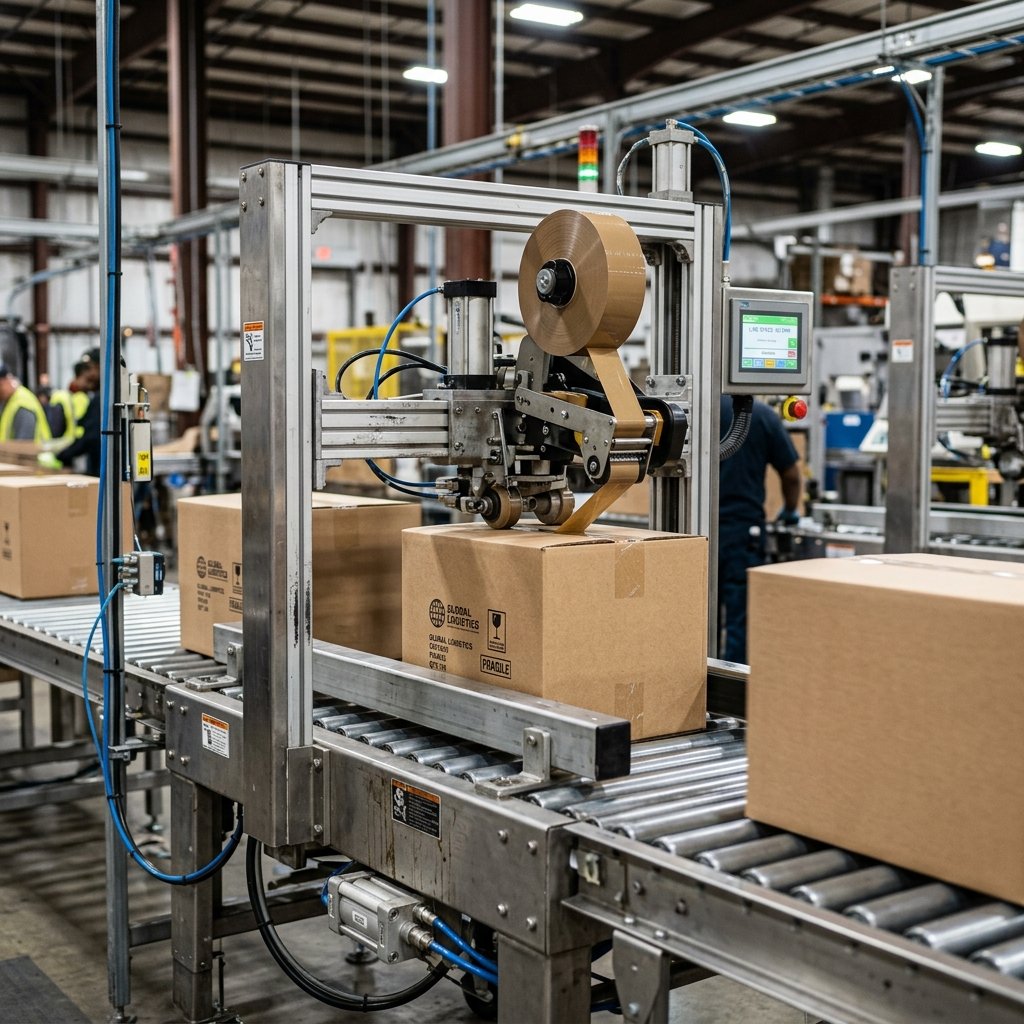
Automated packaging lines running 50-300 cartons per minute cannot rely on pressure-sensitive tapes or water-based glues - they need hot melt adhesives that apply in milliseconds, set in seconds, and create a bond strong enough to withstand shipping and handling stresses.
Hot melt adhesives account for the majority of adhesive use in:
- FMCG product case sealing and secondary packaging
- Pharmaceutical and food-grade carton closing
- E-commerce order fulfillment box sealing
- Corrugated board manufacturing (liner-to-flute bonding)
2. Three Main Packaging Applications
Case Sealing (Bottom & Top Flap Closing)
Case sealing is the most common hot melt packaging application. 2-4 beads of hot melt are applied to corrugated carton flaps by nozzle applicators, and the flaps are immediately folded and compressed by rollers to create a bond.
Key requirements: fast set time (2-5 seconds), good adhesion to recycled corrugated board, and resistance to cold chain temperatures if the product is refrigerated.
Tray & Display Former (Carton Erection)
Hot melt is applied to the pre-cut carton blanks as they are formed into trays or display boxes on an inline forming machine. Short open time (<5 seconds) and high initial tack are essential for clean, square box formation at speed.
Label Tacking & Product Bundling
Low-viscosity hot melt is used to apply paper labels, attach coupons, and bundle multiple units (shrink-wrapped multi-packs secured with a hot melt bead). Repositionable or low-tack formulations are available for promotional label applications that must release cleanly.
3. Adhesive Specification Selection
| Line Speed | Open Time Needed | Viscosity Recommended | Application Temp |
|---|---|---|---|
| Up to 30 cartons/min | 8-15 seconds | 1,500-3,000 mPa·s | 160-175°C |
| 30-80 cartons/min | 4-8 seconds | 800-1,500 mPa·s | 170-185°C |
| 80-200 cartons/min | 2-5 seconds | 300-800 mPa·s | 180-195°C |
| 200+ cartons/min (high speed) | <3 seconds | 150-400 mPa·s | 185-200°C |
4. Common Problems & How to Fix Them
Stringing (Spider-webbing)
Cause: Viscosity too high, or application temperature too low - the adhesive doesn't break cleanly from the nozzle.
Fix: Try raising the application temperature by 5 to 10 degrees, or test a lower viscosity grade.
Nozzle Charring (Carbonization)
Cause: The tank temperature is too high, or the adhesive has been sitting at heat for too long between production runs.
Fix: Lower the tank temperature by around 10 degrees, flush the system at the end of each shift, and look for a thermally stable adhesive grade if the problem keeps returning.
Bond Failure (Carton Popping Open)
Cause: Either the open time ran out before the flaps were closed, or the carton surface has moisture, silicone spray, or a release coating on it.
Fix: Check that line speed is consistent, confirm the substrate surface is clean and coating-free, and try widening the bead or adding an extra bead if needed.
Cold Temperature Bond Failure
Cause: Standard EVA hot melt becomes brittle below 5°C - not suitable for refrigerated or frozen product packaging.
Fix: Ask your supplier for a cold-chain rated adhesive grade that has a lower glass transition temperature and stays flexible below 5 degrees Celsius.
5. Application Temperature Guide
| Substrate | Recommended Temp | Notes |
|---|---|---|
| Corrugated board (recycled) | 170-185°C | Slightly higher temp for better penetration into rough recycled fiber |
| Virgin corrugated / white board | 160-175°C | Smoother surface; lower temp sufficient for good wet-out |
| Coated paperboard (cartons) | 175-190°C | Coating reduces adhesion; higher temp improves mechanical keying |
| Plastic-coated packaging | 185-200°C | Verify compatibility - some coatings repel hot melt without surface treatment |
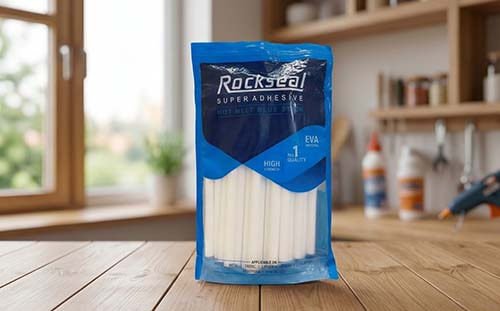
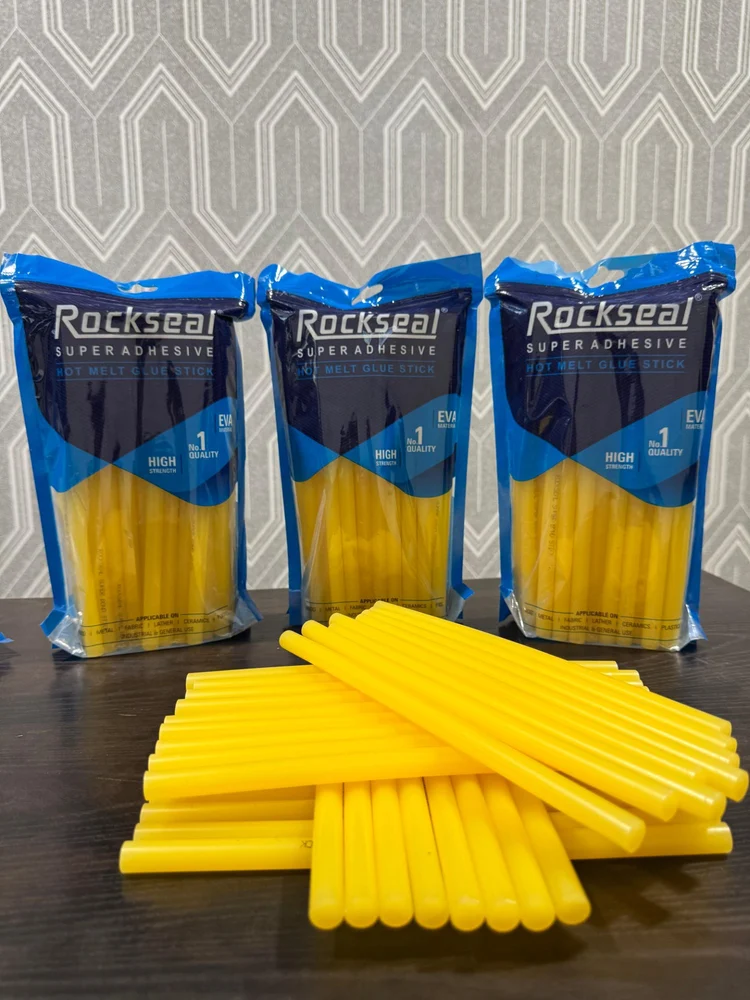
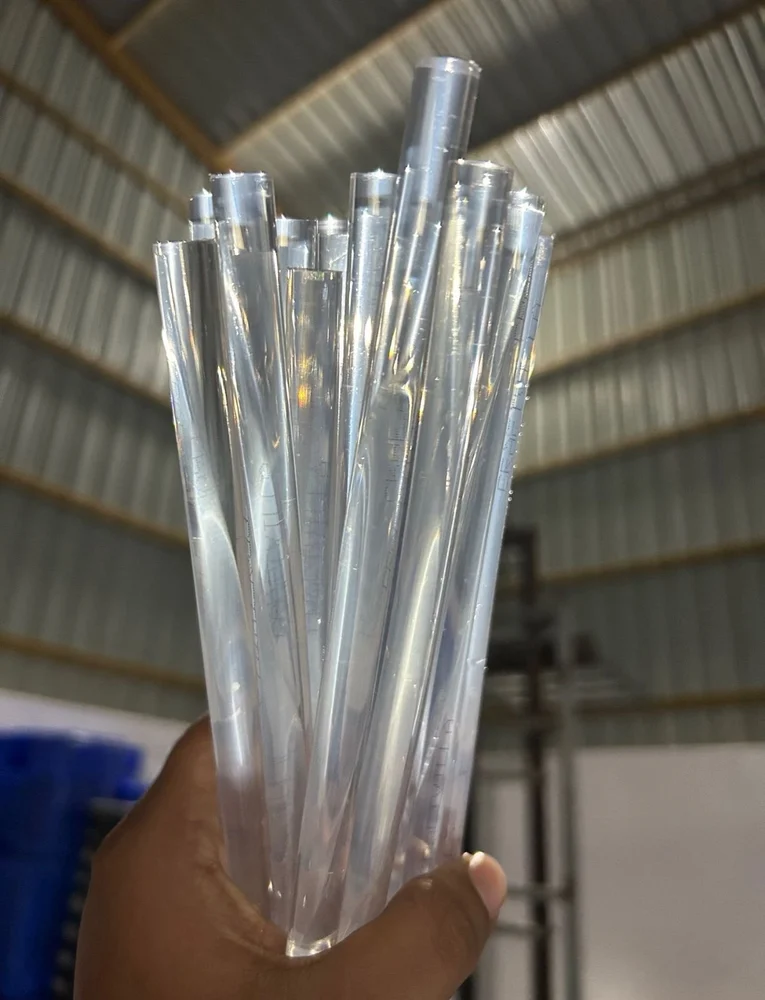
6. Recommended Rockseal Products for Packaging