1. Why Footwear Factories Choose Cyanoacrylate
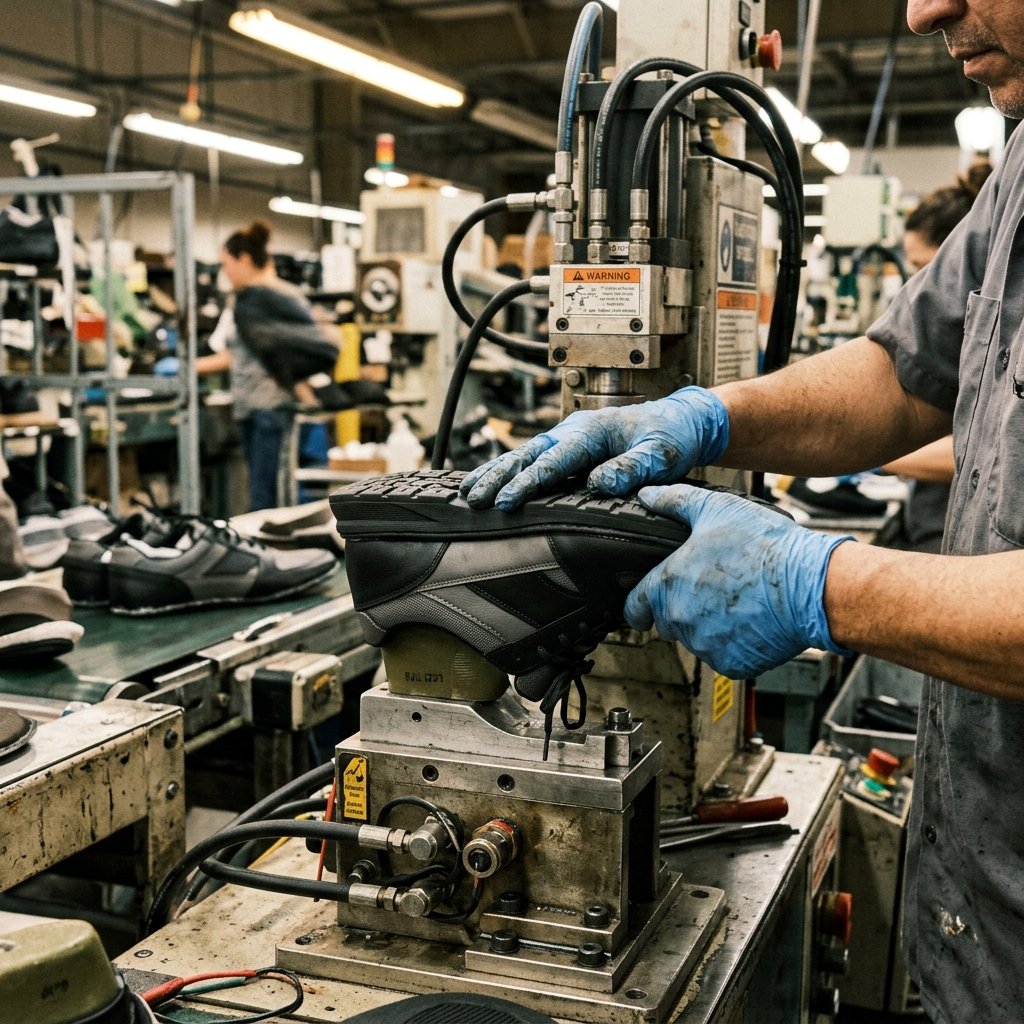
India is the world's second-largest footwear manufacturer, producing over 2.2 billion pairs annually. Surat, Agra, Chennai, and Kolkata house hundreds of footwear production units - and cyanoacrylate (CA) adhesives have become the go-to bonding solution for sole attachment, leather repairs, and component assembly.
Compared to traditional solvent-based contact cements, cyanoacrylate offers:
- No solvent exposure - safer for workers on production floors
- No open flame required - eliminates heat-activation step
- Instant cure - no jigs, no clamps, no drying racks
- Excellent rubber-to-leather bond strength - 10-20 MPa tensile strength
- Flexible bond line (gel grades) - withstands repeated flexing in wear
2. Substrate Compatibility in Footwear
| Substrate Pair | CA Performance | Recommended Viscosity | Surface Prep |
|---|---|---|---|
| Rubber sole + Leather upper | ????? Excellent | 200-500 cps gel | Roughen rubber; clean with IPA |
| TPR sole + Synthetic upper | ???? Very Good | 200-500 cps gel | Light scuffing; activator recommended |
| PU sole + Leather | ???? Very Good | 100-300 cps | Clean PU surface; activator helps |
| EVA foam + Fabric | ??? Good | 500-1000 cps | High-viscosity to prevent over-absorption |
| Leather + Leather | ???? Very Good | 50-200 cps | Flesh side: roughen; grain side: clean |
| Polypropylene components | ? Poor (without primer) | Primer required | CA primer / activator mandatory |
3. Key Footwear Bonding Applications
Sole-to-Upper Bonding (Primary Application)
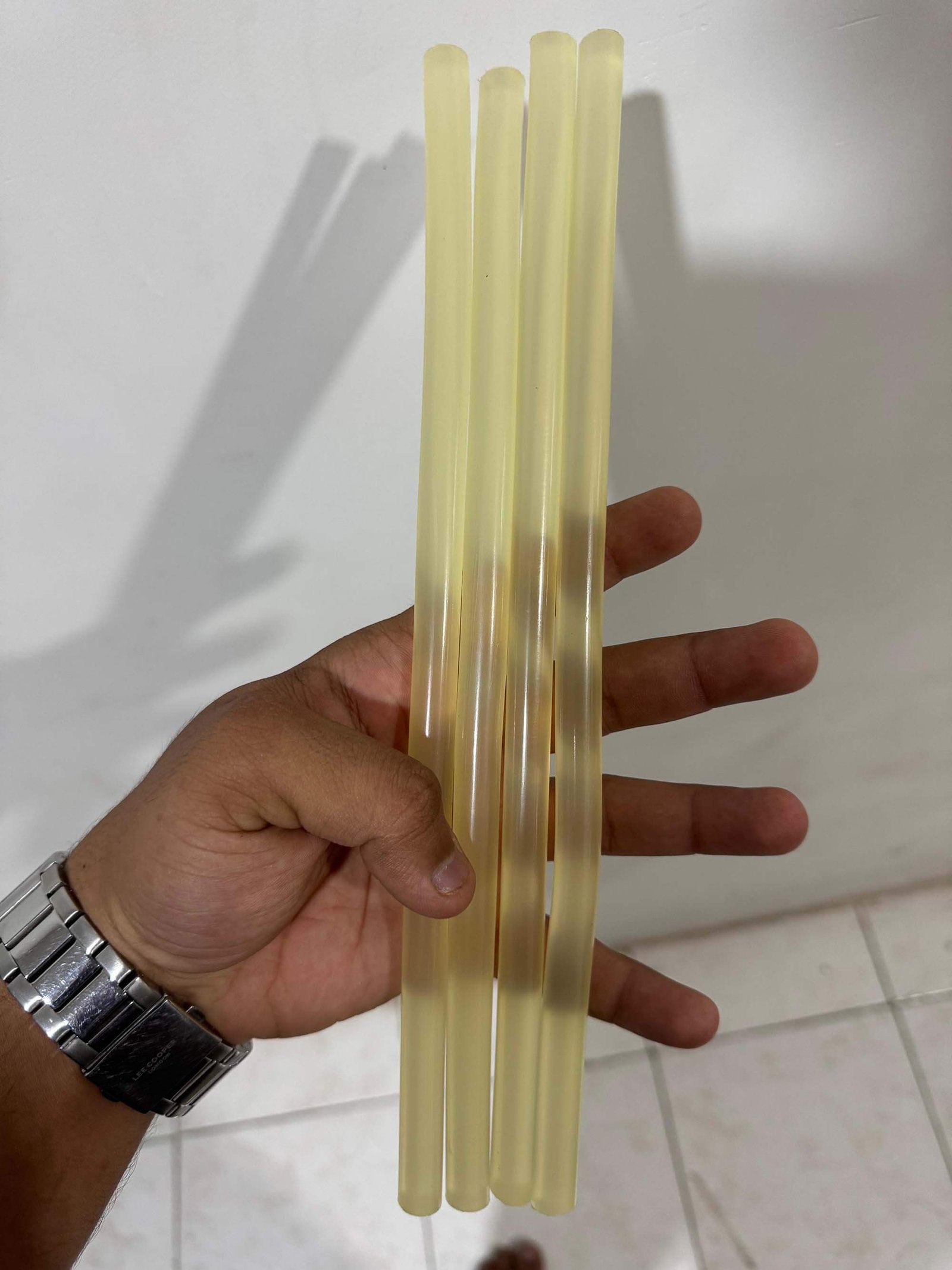
The most critical bond in footwear - the sole attachment must withstand shear forces from walking, bending, and impact. High-viscosity CA gel (200-500 cps) is applied to the roughened rubber sole, positioned on the upper, and pressed firmly for 30-60 seconds. The result is a full-strength bond with no clamping required.
Heel Counter & Toe Cap Stiffener Attachment
Thermoplastic heel counters and toe cap stiffeners are bonded to the upper lining using medium-viscosity CA (50-200 cps). The thin, even application wicks into the textile and stiffener material for a clean, rigid bond.
Insole Bonding
Cork, leather, and foam insoles are bonded to the lasting board using CA adhesive. Medium-to-high viscosity (100-500 cps) prevents strike-through on foam insoles while ensuring adequate coverage on smooth leather insoles.
Leather Repair & Touch-Up
CA adhesives are the standard repair adhesive for delaminating soles, torn stitching reinforcement, and leather flap repairs - both in production and post-sale after-service. The instant cure means repairs can proceed without downtime.
4. Viscosity Selection for Footwear
| Application | Viscosity Grade | Why This Grade |
|---|---|---|
| Rubber/TPR sole bonding | 200-500 cps | Doesn't run off vertical sole edge; fills micro-surface texture for maximum grip |
| Leather-to-leather | 50-200 cps | Penetrates leather fibers for strong mechanical bond |
| EVA foam insole | 500-1000 cps | Prevents absorption into foam; maintains surface bond |
| Heel counter attachment | 50-200 cps | Fast cure, thin bead, no squeeze-out through stitching |
| Gap repair (<0.3mm) | 1000-3000 cps gel | Fills gap; non-drip for vertical application |
5. Using Activators for Speed Curing
A CA activator (accelerator) is a spray or liquid applied to one bonding surface before the CA adhesive is applied to the other. When the surfaces are brought together, the activator triggers near-instantaneous polymerization - reducing cure time from 30-60 seconds to under 5 seconds.
Best practice for footwear production:
- Spray activator on the roughened rubber sole and allow 15-30 seconds to dry
- Apply CA gel to the upper/lasted shoe around the sole perimeter
- Press sole to upper immediately - cure completes in 3-5 seconds under finger pressure
- Move to next pair - no rack drying required
6. Quality Control & Testing
Test your CA adhesive bonds with these standard checks before committing to full production:
- T-peel test: Bond leather-to-leather samples; peel at 180° - failure should occur in the leather substrate, not at the bond line
- Shear strength test: Apply 5kg weight to bonded rubber-leather sample for 24 hours at ambient temperature - bond should show no creep
- Flex cycle test: Bend bonded sample 500× at 90° - no cracking or delamination for flexible gel grades
- Water resistance: Submerge bonded sample in water for 1 hour - check for bond softening
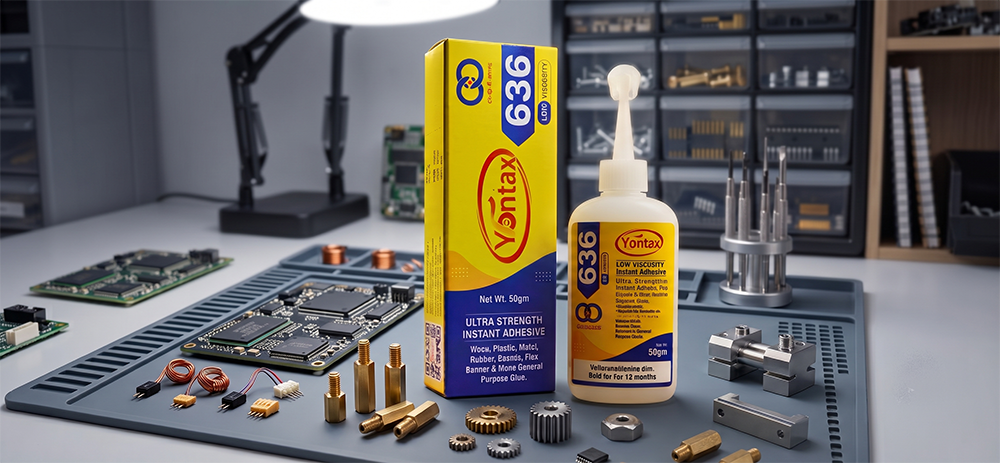
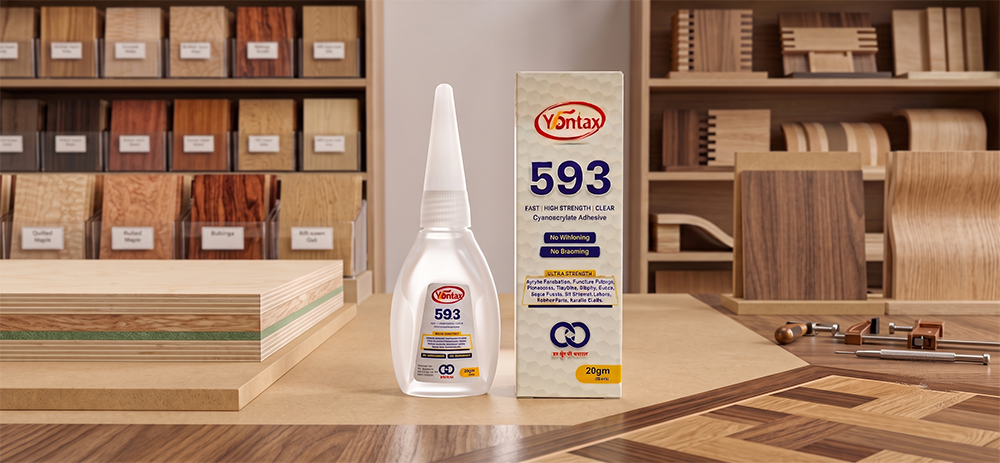
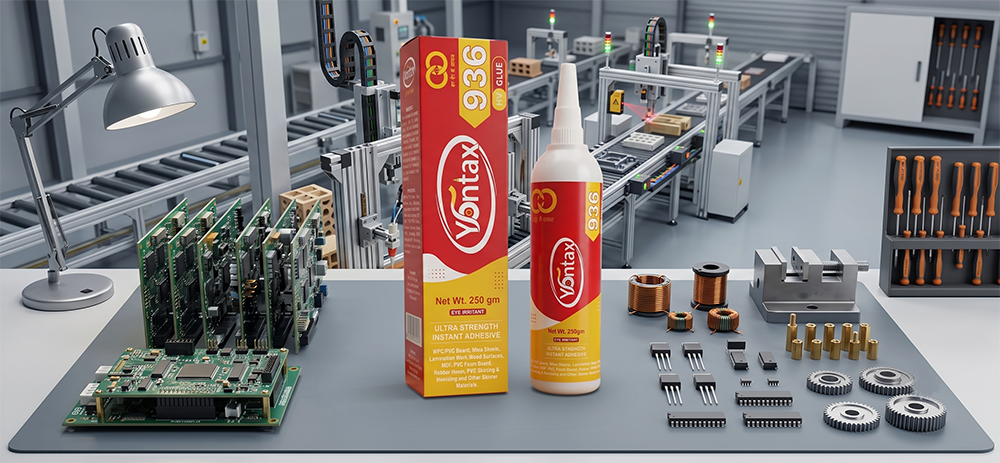
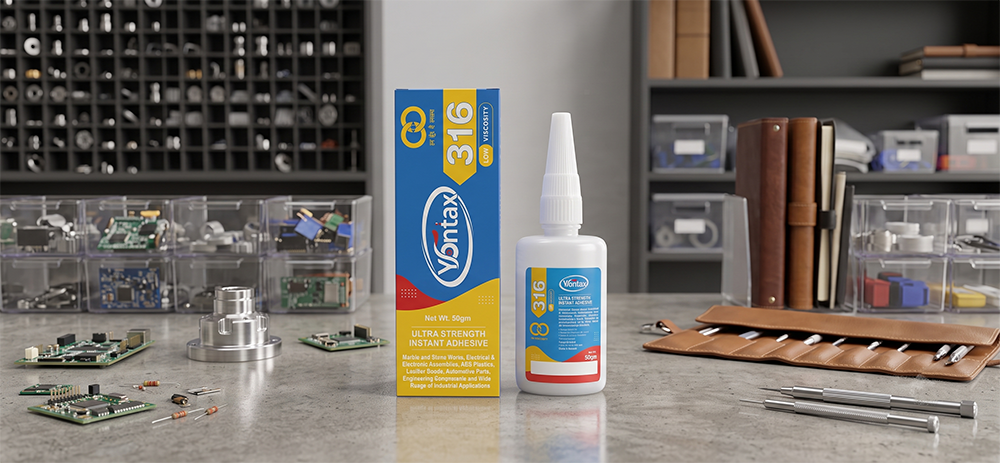
7. Recommended Yontax Products for Footwear